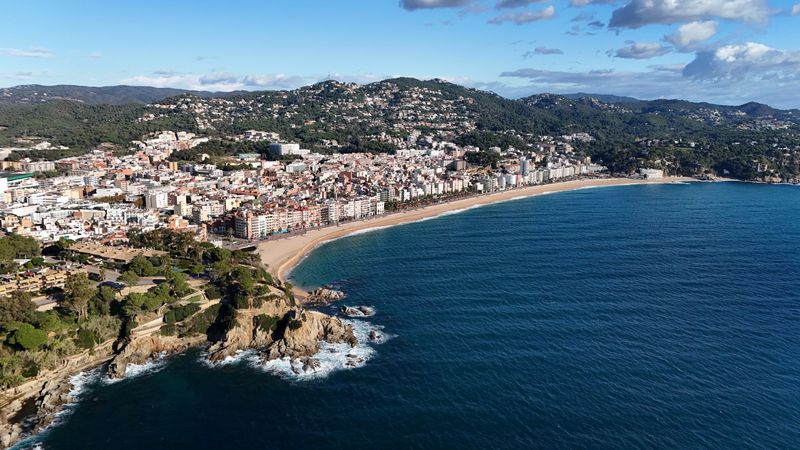
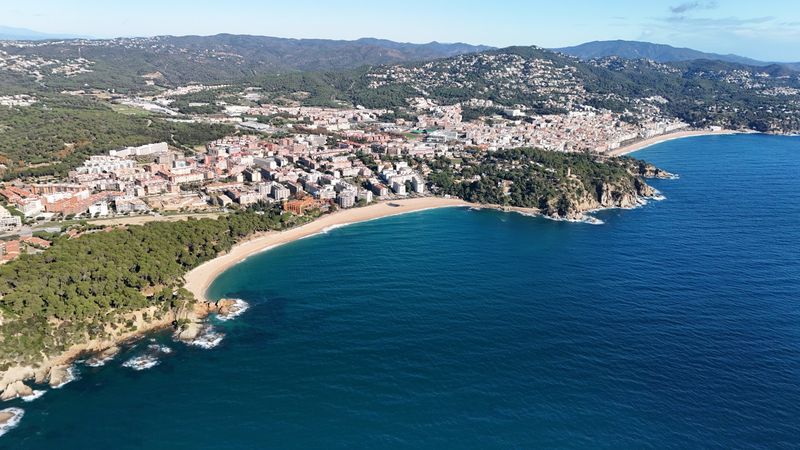
Lloret de Mar is the biggest and busiest resort on the Costa Brava. It really took off in the 1960s, when people from all over Europe found out about its wide golden beaches, clear turquoise water and pine-covered hills. In just a few years, this small seaside town turned into one of the most popular holiday spots in Spain. Everything that brought those first visitors here is still around, and there's a lot more to discover than most people expect.
In this guide you'll find what to see, where to swim, how the town is changing, and the practical stuff: how to get to Lloret from Barcelona, the airport or the cruise port.
A Bit of History
Before tourism, Lloret lived off the sea. Fishing and boatbuilding kept the town going. In the 19th century, lots of young men headed off to Cuba, Argentina and other parts of the Americas to try their luck. The ones who came back rich were called "indianos". They built elegant mansions in the centre, paid for new streets and schools, and had fancy family tombs built in the Modernista cemetery.
Things really changed after the 1950s. Hotels popped up along the seafront, then restaurants, bars and clubs. By the 1970s, Lloret was well known in Germany, the UK, France and the Netherlands, and every summer its beaches were packed with tourists from abroad.
What to See in Lloret de Mar
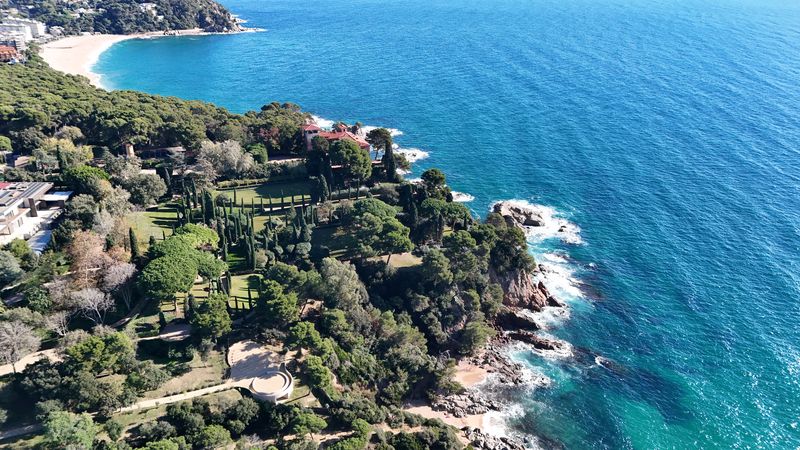
Start with the Santa Clotilde Gardens. They were designed in 1919 by landscape architect Nicolau Maria Rubió i Tudúrí and sit on a cliff between two beaches. The terraces, cypress-lined stairs, fountains and statues were all inspired by Tuscan gardens. Go in the late afternoon, when the light gets softer and the sea below turns silver, or first thing in the morning, right when they open.
In the old town, you can't miss Sant Romà church. Back in the day, locals used it as a shelter when pirates attacked the town. The building itself is Gothic, but what everyone takes photos of are the bright Modernista domes and tiles added in the early 20th century.
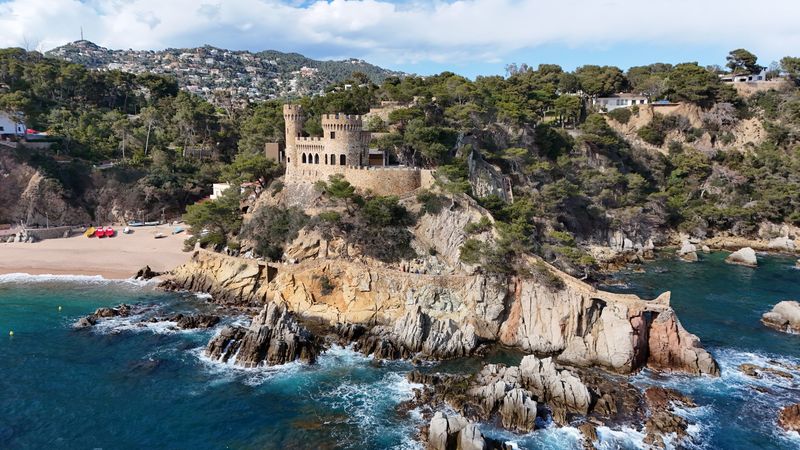
At the end of the main beach stands Castell d'en Plaja, one of the most famous views in town. It looks medieval, but it's actually pretty modern: it was built in the first half of the 20th century as a private villa. These days you can go inside for a 30-minute virtual experience. With images, lights and sound, it takes you into the metaverse, shows you the effects of the climate emergency up close and walks you through what we can do to stop it. And in summer, there's live music at the castle.
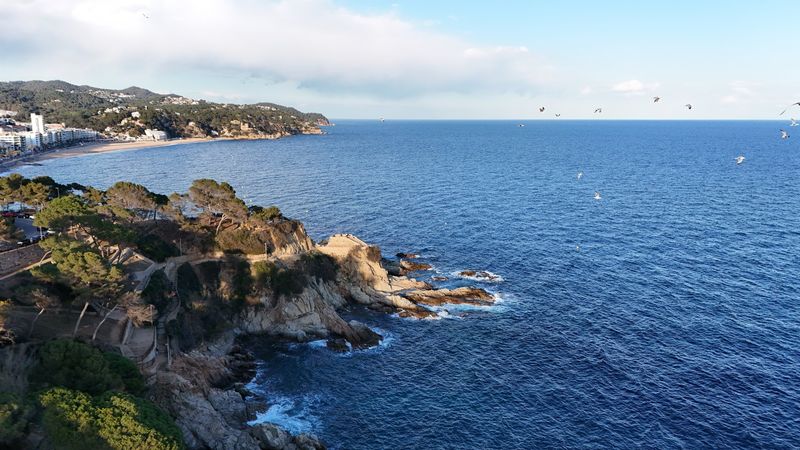
On the other side of the bay, the restored medieval tower of Sant Joan Castle sits up on the headland. It's a short climb, and the view from the top is totally worth it.
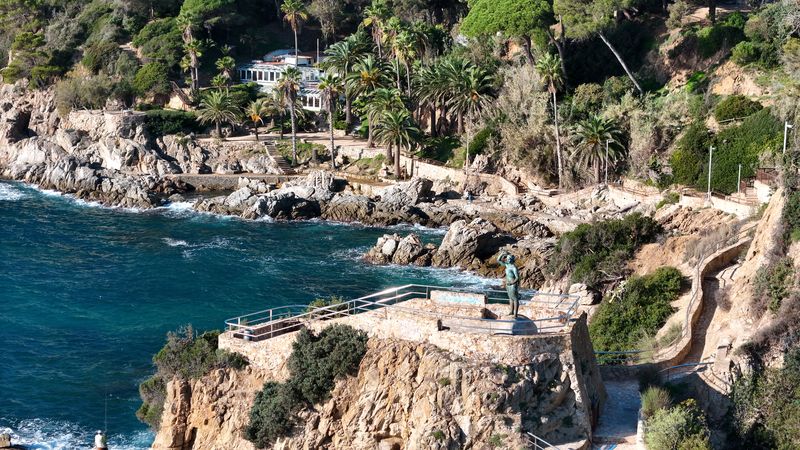
Along the cliff path you'll come across the Dona Marinera, a bronze statue of a sailor's wife looking out to sea. Locals say that if you touch her foot and look at the horizon, your wish will come true. And the Museu del Mar on the seafront tells the story of Lloret's sailors and the indianos who made the town rich.
Beaches, Coves and the Camí de Ronda
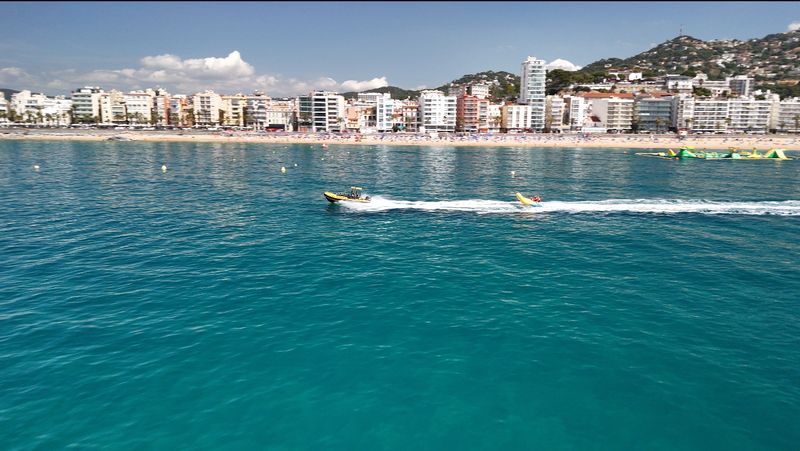
Lloret's main beach is long, wide and right in the middle of town, with everything you need close by. Fenals, a short walk away, is quieter and great for families with kids. Santa Cristina beach, a bit further along the coast, is surrounded by pine woods and has a little chapel nearby.
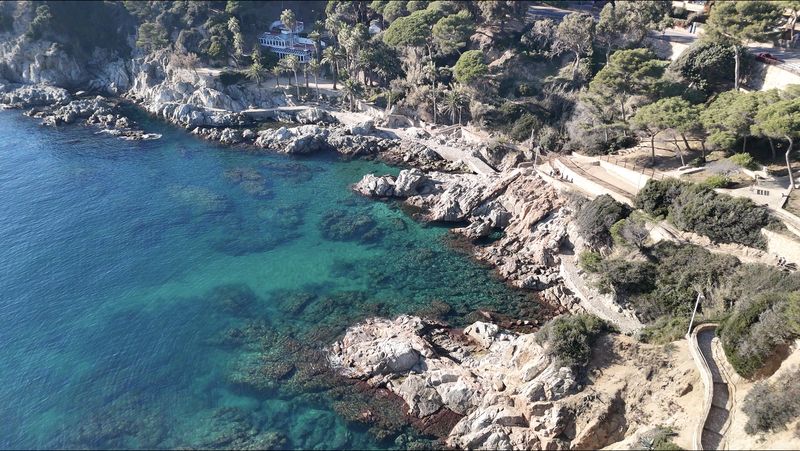
If you're after clear water and some peace and quiet, head to the smaller coves: Sa Caleta, right below Sant Joan Castle, and Cala d'en Carlos. Canyelles and Cala Treumal are worth a visit too.
The easiest way to reach a lot of them is the Camí de Ronda, an old coastal path where guards once kept an eye out for smugglers. It runs along the cliffs above the sea and drops down to tiny coves, and the views just keep getting better around every bend. Bring comfy shoes and some water.
Lloret Today: Not Just a Party Town
For years, Lloret was mostly known for its nightlife. That reputation still sticks around, but the town and the people who live here are working hard to change it. The Lloret 2035 plan puts authentic experiences, culture, nature, wellness and year-round tourism first.
A new amphitheatre has opened in the Santa Clotilde Gardens for small concerts, cultural events and business meetings. Lloret was one of the first towns to get the "Destino a la Familia" family-tourism label. For kids, there's Water World, one of the biggest water parks on the coast. In the off-season, the town hosts sports camps and conferences, so lots of hotels and restaurants stay open almost all year.
How to Get from Barcelona to Costa Brava
First, something people ask a lot: is Barcelona in Costa Brava? Nope. The Costa Brava officially starts in Blanes, right next to Lloret, and runs north all the way to the French border. Barcelona is about 60 km further south.
So how far is Costa Brava from Barcelona? Lloret de Mar is around 75 km from the city centre, about an hour's drive. That makes a Barcelona to Costa Brava day trip totally doable: head out after breakfast, spend the day at the beach and be back in time for dinner.
No car? You can catch a bus from Barcelona Nord bus station straight to Lloret. There's no train station in Lloret itself; the closest ones are in Blanes and Maçanet-Massanes, and from there it's a short taxi or bus ride. If you've got luggage, a car or a private transfer along the motorway is the easiest way to go.
Which Airport for Barcelona?
The main airport in Barcelona is El Prat (BCN), about 15 km southwest of the city. Almost all international flights land here. It has two terminals, Terminal 1 and Terminal 2, connected by a free shuttle bus.
How many airports does Barcelona have? Technically, just one. But two more serve the region: Girona-Costa Brava Airport and Reus Airport, mostly with low-cost and seasonal flights. Girona is actually closer to Lloret, around 35 km away, but El Prat has way more routes, so that's where most people fly in.
Barcelona Airport Transfer to Lloret de Mar
If you're flying into Barcelona El Prat airport, Lloret is about 100 km away, roughly a 1 hour 20 minute drive. The best way to get from Barcelona airport to hotel in Lloret is a private transfer. Your driver meets you in arrivals at Terminal 1 or Terminal 2, helps with your bags and drops you right at your hotel door. No changing trains, no bus timetables.
It's a fixed price airport transfer, so you know exactly what you're paying before you even take off. Travelling with family or friends? A Mercedes V Class transfer fits up to seven passengers, with plenty of room for suitcases, strollers and even golf bags.
Coming in on a Cruise Ship
Barcelona is one of the busiest cruise ports in the Mediterranean, and lots of passengers add a few days on the Costa Brava to their trip. The cruise terminals are about 15 km from the airport, around 20 minutes by car, and roughly 75 km from Lloret. A Barcelona cruise port transfer is the easiest way to get between the ship, the airport and your hotel in Lloret without dragging your suitcases across the city.
When to Go
Lloret is great any time of year. Summer is all sunshine and holiday vibes: beaches, the water park, evening strolls along the promenade and concerts in the Santa Clotilde Gardens. June and September are perfect for a relaxed break by a warm sea. In spring and autumn, it's lovely to walk the Camí de Ronda and explore the coves. And in early spring, drivers from the Rally Costa Brava, one of the oldest car races in Spain, take to the Costa Brava roads.